

As we’ve seen in Ukraine, Iran, and now Saudi Arabia, asymmetrical warfare has dramatically changed military capabilities, with adverse impacts for airlines. The reason is that low cost drones and drones that resemble cruise missiles, can overwhelm existing defenses and do considerable damage, without the loss of troops, at low cost. This asymmetrical warfare is also changing the environment for commercial airlines.
The Riyadh Airport Attacks
We are seeing the impact of secondary skirmishes and attacks on civilian infrastructure, and their major impacts on travel. The latest disruptions are in Riyadh, Saudi Arabia, where the King Khalid airport has been the target of multiple missile or drone strikes from Houthi forces. In a fourth day of attacks, the passenger terminal was targeted, with a dozen killed and more than 300 wounded in an attack last Saturday. Attacks on Terminal 3 and Terminal 4 have inflicted significant damage to the airport.
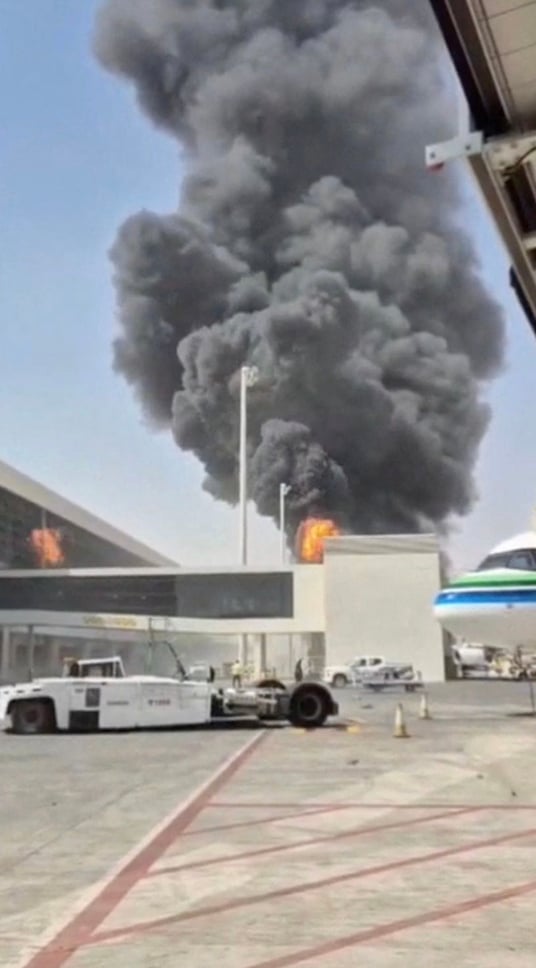
Additional strikes on infrastructure continue, with attacks on Saudi Aramco oil facilities and headquarters. The impact, depending on the outcome of strikes, could also impact the availability of Jet-A in the region. Disruption is the watchword for airlines flying into the Kingdom, and Delta has postponed a planned US non-stop until March of 2027 at the earliest.
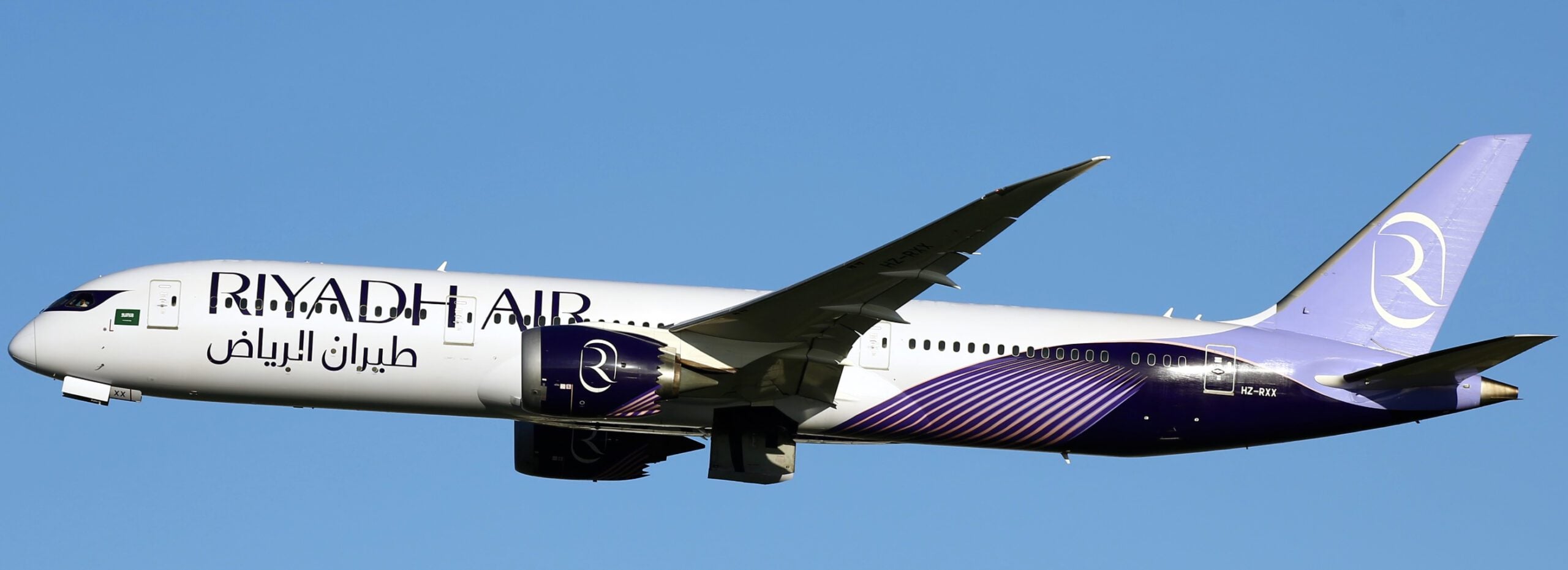
Flights into Riyadh have been canceled, the airport is closed for another four days, and the start-up carrier Riyadh Air has moved its brand-new Boeing 787s away from the airport in the wake of the continuing strikes. An operational restart will depend on whether new attacks occur. The attacks on Aramco in Dhahran, the central point for its operations may impact oil output as damage from overnight raids is being assessed today. Other airports and facilities are potential targets within the Kingdom as violence escalates.
A Global Problem
Of course, this isn’t simply a problem in the middle east. In Ukraine and Russia, drone, cruise-missile, and ballistic missile attacks have all resulted in airport disruptions and closing during attacks, and while few have been directly hit, the potential danger and cautionary shut-downs continue to occur as the war continues. Since attacks on oil and data centers continue, the impact on airlines can be substantial. Airlines face flight cancellations and a potential short-supply of Jet fuel, while computer system outages can disrupt bookings. Regional conflicts, including India-Pakistan tensions, can also impact airlines.
Airports throughout the middle-east, from Tehran to Bahrain, Kuwait, Dubai, Abu-Dhabi, Beirut, and Tel Aviv have been the subject of attacks since the beginning of the Netanyahu-Trump initiated war in Iran.
While Israel enjoys its “Golden Dome” defense system to deter missile attacks, many US bases and depots have been targeted and damaged in the region by drone and cruise-missile like larger unmanned aircraft. It turns out that conventional missiles are easier to shoot down, albeit with expensive technology, than lightweight drones, which can skirt typical defenses and detection grids.
The High Cost of Attacks
Drone attacks are typically short-lived, but asymmetrical warfare can have devastating economic consequences for airlines and airports. For airlines, disruptions in operations can last for weeks or months during periods of sustained limited warfare, impacting capacity and profitability.
Major airports in the middle east show significant reductions in capacity since the beginning of the Iran War early this year. From 2025-2026, capacity has fallen in many markets. Kuwait has been significantly impacted, down 22.6% from 2025, followed by Dubai, down 14.3%, Doha, down 5.3%, Sharjah, down 3,7%, Dammam, down 3%, and Jeddah, down 1% year over year. Abu Dhabi, Tel Aviv, and until this month Riyadh were all slightly above last years traffic levels.
Secondary Expenses beyond Revenue Losses
Nonetheless, for airlines, reductions in capacity are expenses as aircraft and employees cannot easily be replaced or temporarily laid-off, but revenues fall. Moving expensive assets out of harms way is also important for airlines as they seek safety during active conflicts. But grounded aircraft don’t generate revenue to cover their monthly lease payments.
The impact on airports can also be significant, as revenues for airports are typically proportional to operations and traffic. When volumes drop, budgets need to be re-worked for airports to remain financially viable. In the event of war damage, typically excluded by insurance, governments may need to step in to repair damaged infrastructure.
For a new and growing carrier like Riyadh Air, the need to hire experienced personnel and attract expatriates will likely take a short-term hit. Nobody wants to be based at an airport that has been targeted multiple times this month, with a strong likelihood that those may not be the last attacks. It will be harder to attract the pilots and flight attendants from the expatriate community, who will likely make their decision on safety as well as local living, for which Riyadh is a harder sell.
There will be More Turmoil
With the Iran war continuing, albeit at a slower pace, the potential for longer term impacts is growing. As airports are attacked on a rotating basis, and as US bases at civilian airports in the region are targeted, impacts on airlines and airports are likely to continue. The distance from downtown Manama in Bahrain to the airport and US Navy facilities is only a few kilometers, close enough for concern from misplaced weapons. Joint military facilities at Kuwait airport are also targets, and of course, Iran’s airport remain potential targets for US bombing.
The Bottom Line
Airlines are going to need a new factor in their fleet and operational planning – avoiding asymmetrical warfare. The cost of warfare has always been high. With civilian airports now targeted, operational and financial impacts can move from zero to catastrophic overnight. Having contingency plans for airline re-routing and airport operations is a new requirement for airlines flying near expanding war zones.
Expect a lot of flight cancellations in Russia, Ukraine, and the middle east as forever wars appear to be escalating. For airlines, that translates to flight cancellations, longer routing, uncertainty, and risk.
Views: 0