

Lufthansa grew 3Q26 adjusted EBIT by 6% to €1.41bn, and a fuel hedge did the heavy lifting. Lufthansa Airlines, the core brand, is still €180m in the red over nine months.
The Quarter
Lufthansa reported on November 3. Reuters had the consensus at €1.38bn, so EBIT beat. Revenue missed, per Investing.com. Net profit got help from valuation effects and a 2025 comparison that carried a tax charge. Nine-month adjusted EBIT is €1,178m, down 20% from €1,480m. Nine-month fuel expense is €6.72bn, up 21%.
The Hedge
The airline’s report gives the hedge result for nine months only. It was €1,211m, against a loss of €204m a year ago. That is a swing of €1.4bn, by our math. Fuel expense rose €1.18bn. The report doesn’t say whether the expense is shown net of hedging.
Call coverage puts the 3Q hedge gain above €600m. That is about eight times the €76m rise in EBIT. We could not find the figure in the report.
On the call, Lufthansa said it is hedged on about 86% of 2026 passenger airline fuel and expects a hedge result of about €1.9bn for the year. The fuel bill is about €9.3bn. The report says fuel is now about €600m higher than forecast three months ago. For 2027, call coverage is about 75% hedged in the first half and 60% for the year.
Air France-KLM and Emirates told the same story this week. The hedge book decided how much of the fuel shock reached the P&L.
The Core Brand
Lufthansa Airlines earned €300m in 3Q26, down from €454m. Over nine months, it lost €180m, against a €147m profit. Investing.com puts the 3Q margin at 6.0%.
SWISS earned €295m, up from €275m. Austrian earned €140m, up from €118m. Brussels earned a record €84m, up from €68m. Investing.com puts their margins at 15.4%, 16.5% and 14.6%, respectively. Air France earned 13.5% and KLM 11.4%. The definitions differ, but the gap is the point.
The network airlines earned €853m against €961m, a margin of 10.3% against 12.1%. Over nine months, they earned €385m against €848m, down 55%. Strikes by the VC pilots’ union and the UFO cabin crew union in February, March and April hit hard. Passenger compensation and assistance rose to €426m for nine months, from €292m. The report does not isolate strike costs.
Call coverage has 3Q yields up 6.8%, capacity up 1.6% and load factor down 1.3 points to 86.2%. Non-fuel unit cost rose 0.5% in the quarter, against 2.0% over nine months. CEO Carsten Spohr said: “We must now accelerate the financial turnaround of our core brand.” In plain language, the core brand is the problem. The network airlines guide is now €600m to €800m, down from €750m to €1,150m. The midpoint fell €250m.
The point-to-point segment, which includes Eurowings and the SunExpress joint venture, earned €214m in 3Q at an 18.7% margin. Over nine months, it lost €38m, against a €61m profit. The summer quarter carries the year, as with other EU-based leisure brands.
Cargo and Technik
Lufthansa Cargo earned €162m, up from €49m, at a 15.6% margin. Tonne-kilometers rose 11%. Over nine months, yields rose 12.7%. Air France-KLM saw cargo unit revenue up 22.1%, and Emirates saw cargo revenue up 52%. This is a sector pattern.
Lufthansa Technik earned €200m, up from €130m, on revenue of €2,331m, up 20%. The margin rose to 8.6% from 6.7%. That is light for a division the report says has high demand. Each added euro of revenue (€389m in total) brought about 18 cents of EBIT, by our math. Over nine months, revenue rose 14% to €6,759m, EBIT rose 17% to €515m, and the margin is 7.6%, up 0.2 points. The nine-month result includes insurance compensation and US tariff refunds, each in the low two-figure millions.
The report points to supply. A global materials shortage and a sharp rise in material prices strained service delivery, and aircraft, engine, and component manufacturers and suppliers delayed deliveries. Growth came mainly from engine maintenance and component work not linked to flight hours. Flight hours in 3Q were slightly below a year ago. Headcount fell 4% to 22,036, with vacancy filling restricted.
Our read: Demand is there, and the shops and the parts are the limit. Lufthansa doesn’t frame it that way. Non-Group customers now make up 79% of revenue, up from 74%, so margins are increasingly set by outside customers and parts prices. The 2026 outlook now calls for a “significant” revenue increase, up from “clear,” and a significant EBIT increase. We have no peer margins at hand to say how light.
The report expects Cargo’s 4Q adjusted EBIT “at least at the previous year’s level.” CFO Till Streichert said the final position inside the group guide depends “in particular on Lufthansa Cargo’s performance in the fourth quarter.” Those two statements don’t match in ambition.
The Guide and the Cash
The 2026 adjusted EBIT range narrowed to €1.7bn to €2.0bn, from €1.7bn to €2.2bn. Lufthansa called it a “refinement.” The top came off. The range needs €522m to €822m in the fourth quarter, per our math.
Free cash flow is guided to about €0.9bn, which is unchanged. Nine months came in at €1,809m. Both are adjusted free cash flow. The fourth quarter is therefore about -€0.9bn, by our math. We would ask why.
Net capex falls to about €2.1bn from €2.5bn. Operating cash flow for nine months is €3.4bn, down 13%. Net debt including pensions is €7,253m, down from €8,309m. Leverage is 1.7x. Available liquidity is €11.8bn, which includes €2.6bn of undrawn credit lines.
Lufthansa guided 4Q unit revenue up more than 10% on the call. For 2027, it expects mid-single-digit capacity growth, mostly on intercontinental routes.
Boeing and TAP
Call coverage has the 777-9’s first delivery slipping to 2Q27. Lufthansa will keep extra A340-300s in the summer schedule as a fallback. We have only one source for that.
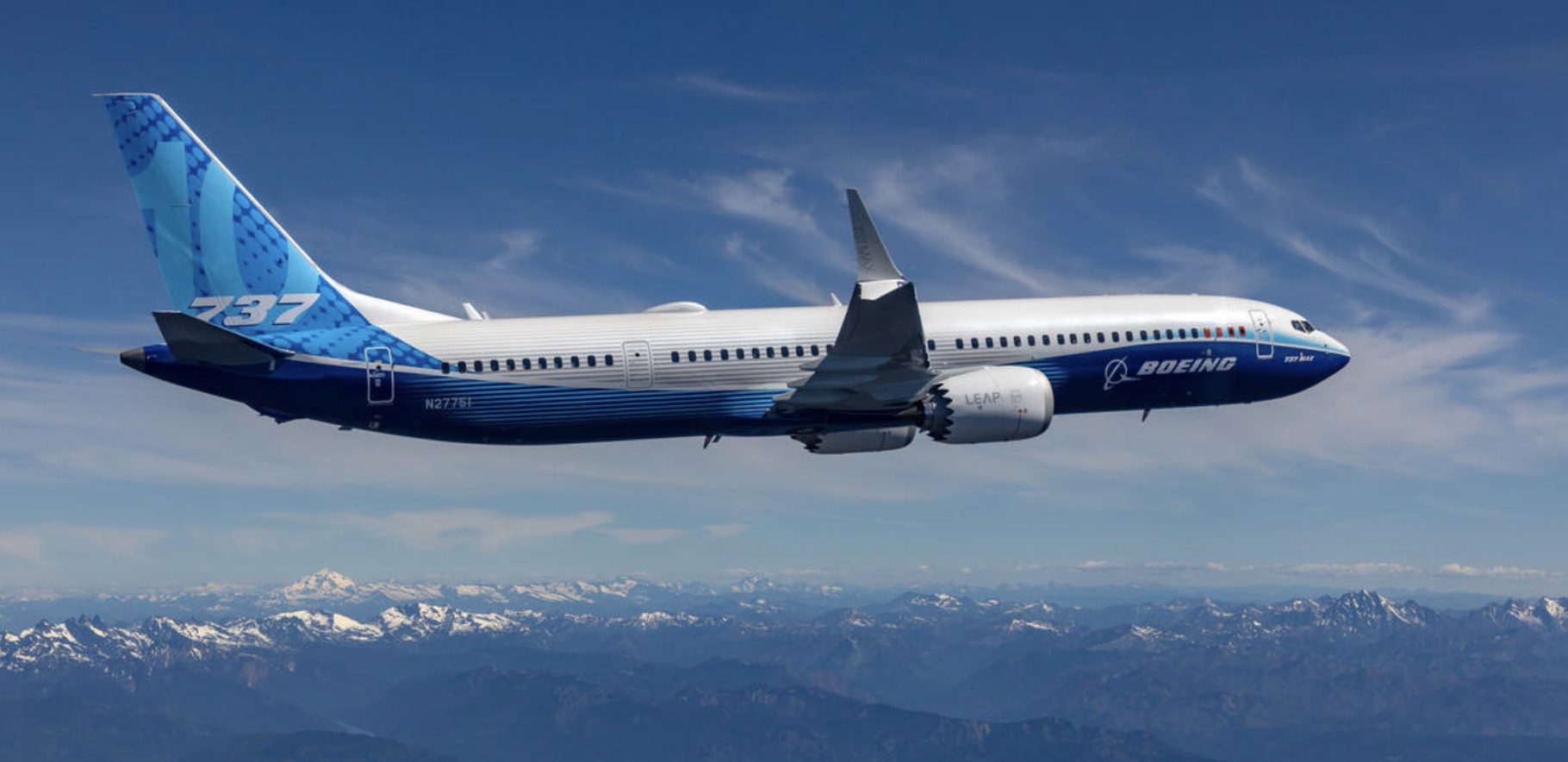
On September 17, the Supervisory Board approved exercising 20 purchase options for 737 MAX 10s. They sit under a 2023 order for 40 MAX 8s with 60 options. The report cites a list price of around $3.4bn for the order. Deliveries of the newly ordered MAX 10s begin in the early 2030s.
Lufthansa will pay €1.025bn for 44.9% of TAP Air Portugal, rising to €1.2bn for 49.9%. It lifts its stake in ITA Airways from 41% to 90%, with an option on the rest in 2028. Both close in 1Q27, pending approvals. Crucially, the TAP price is more than Lufthansa expects to generate in free cash flow this year.
What We Don’t Have
A separate 3Q fuel and hedge split from the report, hedge prices, or group load factor. Here’s the market reaction. TAP’s net synergies of up to €450m come from the call, not the report. The low end of the guide needs €522m from a fourth quarter that hangs on cargo. The CFO said so himself.
AirInsight subscribers get full access to our proprietary fleet utilization tracking, OEM production rate models, and US DOT capacity databases.
Explore Subscription Plans & Test Flight ($29)Views: 0