

Issues of safety, transparency, and trust have re-emerged at Boeing. A Wall Street Journal exclusive report over the weekend disclosed a new software issue with the 737 MAX aircraft. While this software glitch won’t create the same self-crashing behavior of the MCAS system, it is a concern. We know MCAS had a single point of failure and caused the deaths of 346 passengers and crew in two separate crashes. Concerns later emerged regarding Boeing’s behavior and culture. This issue, while not as serious, reflects the same flaws in Boeing’s corporate culture, something that CEO Kelly Ortberg needs to urgently address.
The Issue in a Nut Shell
This new issue, associated with update U14 for the flight management system of the aircraft, apparently causes vertical navigation guidance to be shut off if the aircraft executes a “go around” from a missed instrument approach. While that vertical navigation guidance can be easily reset, Boeing allegedly learned of this flaw in 2024 and only now is informing the FAA and pilots who operate the aircraft. Boeing did not classify this flaw as a safety of flight issue, and as a result the company may lose the trust of airline customers and pilots.
As an instrument rated pilot, a go-around situation is most likely during low visibility and ceilings that prevent a normal landing and result in the aircraft performing an emergency climb to set up for another instrument approach, or if landing is impossible, deviation to an alternate airport. Apparently, Boeing does not consider this glitch as impacting safety of flight, a conclusion that many pilots would disagree. At a minimum, this adds to pilot workload in an already difficult phase of flight that most often occurs with difficult weather conditions, particularly low ceilings and fog.
Just as in the initial situation with MCAS, pilots were not informed of the behavior of the system and were not aware of the potential anomalies before experiencing them in the air. While in this situation it is less likely that a major safety issue would result, the lack of transparency and knowledge sharing from Boeing indicate a continued problem with the culture at the company. Pilots need to trust the behavior of their aircraft, and losing that trust is in itself a safety issue.
Short-Term Impacts May Include Delay Deliveries
The good news for operators of the MAX 8 and MAX 9 is that the airlines can revert to an earlier version of the software that does not have that problem. While some beneficial improvements might disappear, the behavior anomaly would not occur and behave as intended, maintaining safety.
But the two latest aircraft models for the MAX series, the recently certified MAX 7 and soon to be certified MAX 10, utilize the U14 update as their certification standard. They cannot go back to a previous version, as those versions were never certified for these models. As a result, the FAA has mandated a safety review panel to review the situation with the software system to determine if additional action is needed for the MAX 7 and MAX 10.
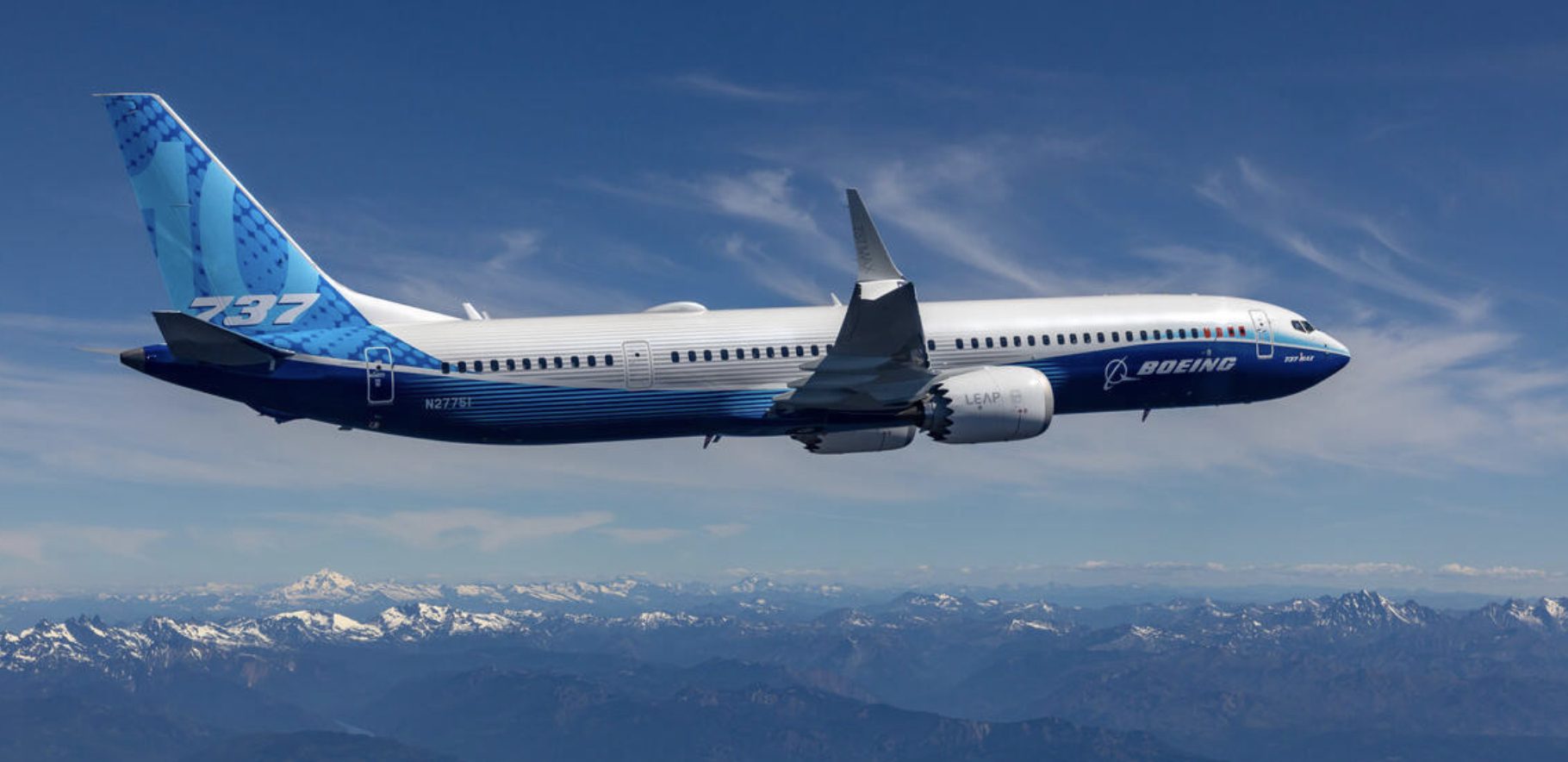
In the interim, despite 25 aircraft being already built, deliveries of the MAX 7 haven’t started, and the certification of the MAX 10, expected in only a few days, may now need to wait for the results of that investigation. How long that takes is out of Boeing’s control. Of course, deliveries delayed don’t help cash flow and Boeing’s third quarter financial results.
Solving the Problem Would have Been Easier with Transparency
Having a software flaw is unfortunate, but something that can be corrected. The situation can also be safe, but only if pilots know what the system will do to their aircraft that might be unexpected, and are trained in how to respond. In this case, it might have been as simple as a couple of paragraphs indicating that the system may turn off vertical guidance after a missed approach, and that pilots should ensure that they reset that function as a part of the go-around checklist. Early disclosure and transparency would have engendered trust in both Boeing and the 737 MAX. A surprise disclosure two years after the fact has the opposite impact on trust.
While this problem doesn’t require rocket science to be solved, it does require the honesty to admit that a problem exists and to communicate the potential solution. This isn’t hard, and a proper procedure and addition to checklists could probably be prepared and approved in an afternoon, if done on a timely basis. But Boeing simply wiped it off the table by classifying the glitch as not being a issue related to safety.
I can tell you that if I was expecting vertical guidance to automatically kick-in after a missed approach and it didn’t happen, as a pilot I would be concerned that the airplane doesn’t do what I expected it to do. Having doubts about the behavior of your aircraft is, “ipso facto,” a safety issue.
The Victim in this Situation is Trust
The aforementioned article states that Boeing learned of this problem two years ago. 2024 was a terrible year for Boeing, with the near-crash of an Alaska Airlines MAX 9 when a door plug blew out, subjecting the aircraft to an explosive decompression. Fortunately, the aircraft was still in climb and the incident wasn’t fatal, but the cause was Boeing’s failure to replace bolts holding the door plug in place. That lack of quality control led to a change in CEOs and focused action by the FAA to improve quality on the MAX and 787, each of which experienced quality problems.
After the MCAS system being hidden from the FAA and miss-classified by Boeing when the MAX was first certified, we find another similar situation of potential miss-classification and failure to inform regulators, airlines, and pilots. This does not instill confidence in the MAX family or Boeing in general.
This incident comes at a time when the new CEO, Kelly Ortberg had been making progress on quality metrics and transparency with the FAA and airline customers. That progress may as well have been thrown out of the window, as it is likely that the FAA will take the time to review not only the safety implications, but how and why it was classified as low risk, and why pilots were not told of the flaw when it became known, rather than two years later.
The Bottom Line
Pilots need confidence that the aircraft they are flying will do what they are commanded to do, without exception. When that doesn’t happen, confidence is shaken. Trust is the first thing that needs to be restored. This is twice that Boeing has failed to communicate clearly to regulators, airline customers, and pilots about flight behavior of the 737 MAX. That’s two strikes on Boeing. As they say in baseball, three strikes, and you’re out! Boeing is running out of runway when it comes to transparency, and needs to also focus its culture on honest communications. We need to hear from Mr. Ortberg on why obfuscation on safety issues continues to happen, and when it is going to change.
This Editorial represents the views of the author.
Views: 37