

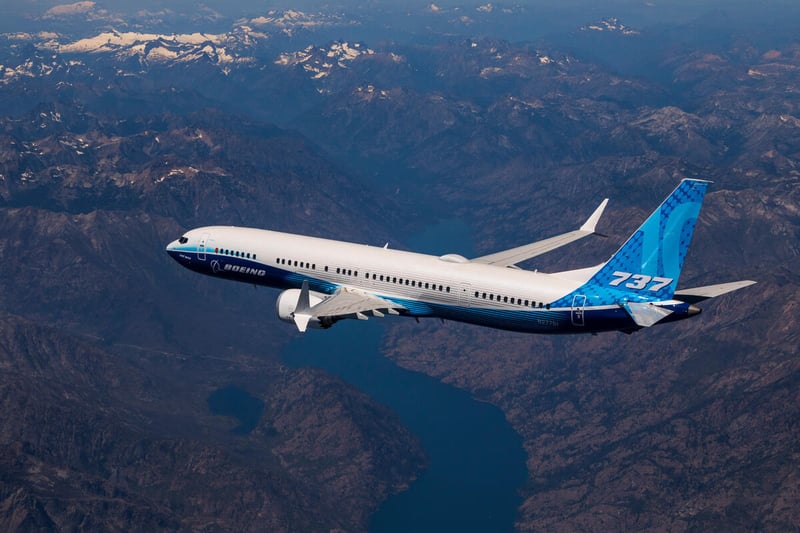
The FAA has only one remaining step for the certification of the Boeing 737 MAX 10. Industry observers expect MAX 10 certification to be completed this week. With that certification imminent, we can focus is on what this will mean for Boeing, for the market in general, and for airlines who have patiently waited for the new model to finally arrive.
What it Means for the Industry
The certification of the 737 MAX 10 will enable Boeing to deliver a larger narrow-body to more effectively compete against the current best-selling aircraft, the Airbus A321neo. Currently, the 737 MAX family, the -7,-8,and -9, have more limited capacity when compared with the A321neo, which can offer lower costs per seat mile.
That CASM advantage has propelled the A321neo to replace the A320neo as the world’s best selling narrow body aircraft, with a backlog of 5,656 aircraft at the end of September. The MAX 10 finally brings competition to the top-end of the narrow-body market, albeit six years late and about 4,000 orders behind.
While the MAX 10 lacks the range to compete with the A321XLR for long-range missions, it can compete effectively for domestic markets, and has been long awaited by MAX 8 and 9 operators that have been seeking additional capacity. United Airlines chastised Boeing when it ordered additional Airbus A321neo models to meet planned growth that under more normal circumstances would have been MAX 10 aircraft.
What it Means for Boeing
Certification will clear Boeing to deliver the MAX 10, for which production has already begun in both its Renton facility and the new “north” line in Everett, which will specialize in the MAX 10. With a backlog of 1,555 MAX 10s as of the end of September, demand for the new model is strong, second only to the MAX 8 in the aircraft family.
The loosening of FAA restrictions on Boeing, combined with the new assembly line, will enable Boeing to ramp-up its 737 MAX production to 52 per month by early next year and likely 57 per month by mid-year, partially closing the sales gap with Airbus.
Of course, the most important fact for Boeing is that the aircraft will move from a cash sink to positive cash flow once deliveries begin. Creating an aircraft program is expensive, requiring up front cash expenditures. Once certified the direction of money shifts from outbound to inbound, helping Boeing’s earnings and balance sheet.
Better Late than Never
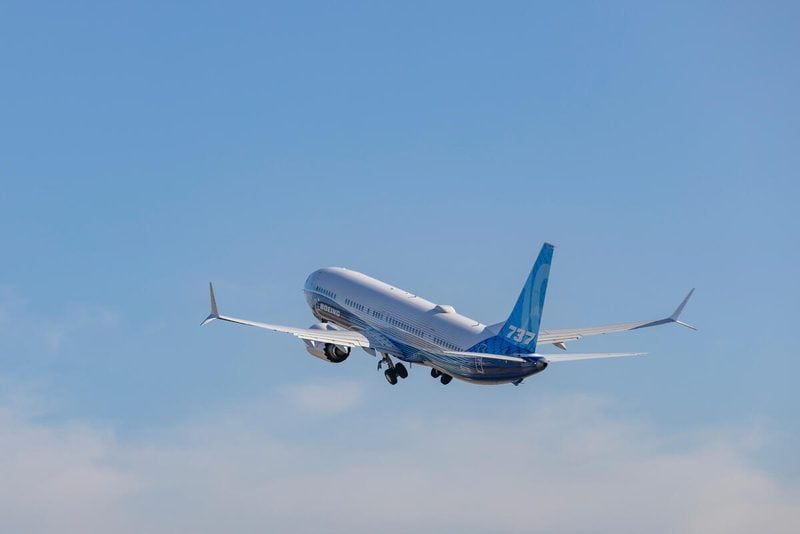
The MAX 10 has been a long time in coming to fruition. The aircraft was initially expected to enter service in 2020, but has missed its target by six years. With several FAA exemptions along the way, the MAX 10 certification will trigger additional actions for prior 737 MAX models, with modifications to be completed within three years of MAX 10 certification. Those actions include installing a third angle of attack sensor and a switch for the pilots to disable the stick shaker, but do not require the aircraft to install an engine indicating and crew alert system (EICAS) that is standard on every other currently built commercial aircraft. Boeing will need to retrofit those modifications to US, Canadian and European registered aircraft before late 2029.
One of the key hold-ups on the 737 MAX 7 certification was a requirement to redesign the engine anti-ice system. That system also applies to the MAX 10 and is also to be retrofit to older MAX models. After asking for an exemption in late 2023, the company withdrew its request after the Alaska Airlines door plug incident. That flaw could have caused the engine de-icing system, if left on too long, to overhead a composite part of the engine nacelle that could fail and damage the fan or engine. The result of the MAX 7 certification was to trigger a retrofit of the modified engine nacelle for all other MAX models, with retrofits for earlier deliveries.
The Bottom Line
After a series of program delays that now total six years, the certification of the 737 MAX 10 appears imminent. This will provide Boeing with a competitive aircraft to the A321neo while changing cash flow from negative up front costs to revenue generating, profitable, and cash flow positive. This is particularly important as Boeing has one more program, the 777X series, in development and needs to complete the certification that will likely be 7 years late early by mid 2027. At that point, Boeing can take a short breather before developing the next generation narrow-body for introduction in the mid 2030s.
With two key certifications down and only the 777-X remaining, Boeing’s to do list is shrinking With only the 777-9 and 777-8F having substantial order books, we would expect the two additional certifications to be completed in 2027 and 2029, respectively, barring any further engine delays. The relationship between Boeing and the FAA, which deteriorated dramatically after the 737 MAX 8 crashes and the Alaska Airlines depressurization incident appears to be improving since Kelly Ortberg took over at Boeing.
With measurement and key performance indicators driving production rate increases, Boeing and the FAA now have a fact-based system in place to evaluate the quality of manufacturing performance. Achieving goals through strong performance has become the new metric at Boeing, with cost reduction pressures taking a back seat. With 2 out of the 3 major certification efforts now poised to generate positive cash flow, the future will look a bit brighter in Seattle quite soon.
Views: 0