

In a report in the Telegraph (UK), Emirates’ outspoken CEO, Tim Clark, didn’t mince words about taking delivery of several early 777-9 aircraft built in 2019-2020 that require significant modifications to reach final configuration. Mr. Clark reportedly stated, “We’re not taking that batch, and that’s it. As far as we’re concerned, what they do with them is up to them.” He said that he understood that Boeing is trying to find a home for those aircraft and replied: “Heinz would be interested – baked bean cans.”
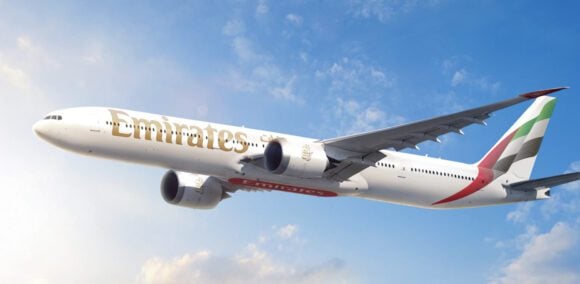
The 777-X was scheduled for delivery in 2020 and is now seven years late due to multiple delays and design modifications. One of those delays came after a fuselage blow-out during a pressure test, and the numerous changes have made the aircraft infeasible to retrofit to today’s standards. Emirates remains concerned regarding the earlier-than-expected structural failures during testing with one of the first examples. Clark said, “the modifications for the airframe have been so significant since the early flights, and don’t forget we had a static-test failure as well.”
The Air Current recently disclosed that one of the first aircraft scheduled for Emirates has been dismantled and scrapped by Boeing in 2025, which stated that the economics to repair were too high to undertake. Between a number of modifications, including a major software change to avoid a pitch-up issue in 2020 and a thrust control issue in 2024 that became major factors in the multiple program delays, costs skyrocketed. The question now is whether others of the 10 initial models destined for Emirates will be retrofitted or scrapped, as the carrier will refuse delivery.
Risk and Reward
It is always a risk for an OEM to build too many aircraft before they are certified, particularly if changes stemming from the certification process are extensive. Boeing currently has 25 737 MAX 7 aircraft in storage that were originally ordered by Southwest Airlines. We understand that Southwest and Boeing are having intense discussions about who pays for time-sensitive updates and parts. It is likely that the reconfiguration costs would not be as extensive as those for the 777-9, but would still entail significant expense.
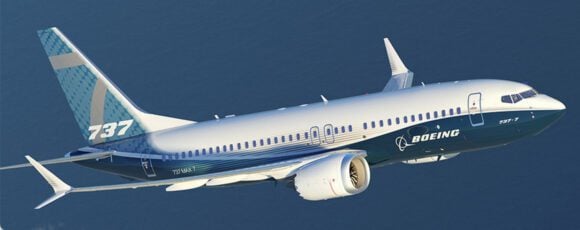
Right now, it appears there are 34 new and yet uncertified aircraft that their major customers don’t want to accept. That’s a significant investment of work in process, particularly if it is concluded that the aircraft are beyond economic reconfiguration to the certified design specifications.
While the good news is that if the aircraft were built today, the new quality metrics in place at Boeing would result in a better quality aircraft, the bad news is that the airlines know it and want to avoid aircraft from the era of arguably the worst quality performance in the history of the company from 2017-2024.
The Bottom Line
Boeing may have to scrap more aircraft before deliveries to its two largest customers for the 737-7 and 777-9 are made, with massive financial implications. The difference between delivering these aircraft and being paid, and scrapping them and taking a major financial hit, will be more than $1 billion that Boeing could better use to improve its weak balance sheet. The management reign of the multiple Jack Welch disciples in charge at Boeing nearly destroyed the company. The refocus on the fundamentals will not be without setbacks, and we sense yet another write-off is looming in Boeing’s future.
Views: 2237
And Boeing does not even think to do what is the minimum: apologise.