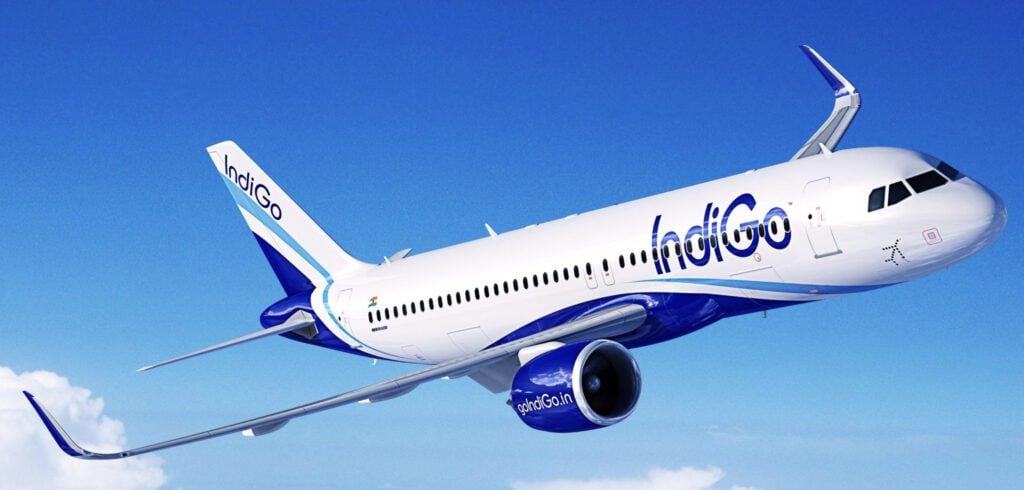
Crisis-hit IndiGo remained at the centre of India’s aviation sector in mid-December as its shares fell sharply, the regulator curtailed capacity, and the chief executive, Pieter Elbers, was summoned by the government to explain the disruptions.
More than 17,000 IndiGo flights were cancelled earlier this month, amounting to a near-grounding, leaving thousands of passengers stranded at airports across the country with little or no warning.
The timing further inflamed government anger, with the mass cancellations coinciding with Russian President Vladimir Putin’s arrival in India for a high-profile visit.
“The crisis was a result of gross mismanagement by IndiGo alone,” aviation minister Ram Mohan Naidu told a television news channel.
He pointed to failures in the airline’s internal crew rostering system and non-compliance with India’s revised Flight Duty Time Limitation (FDTL) norms, which govern pilot working hours and rest periods. Naidu said he was shocked to learn that the airline had also imposed a six-month freeze on pilot hiring.
Regulator Moves Swiftly
In response, India’s aviation regulator, the Directorate General of Civil Aviation (DGCA), which operates under the civil aviation ministry, launched one of its most aggressive interventions against a carrier in recent years.
Over the past week, the DGCA has ordered a 10% reduction in IndiGo’s flight operations. It has also removed fewer than a dozen flight operations inspectors assigned to monitor the airline, who were found to have failed to flag the scale of cancellations in time.
The regulator has gone a step further by deploying an eight-member oversight team inside IndiGo’s headquarters. The team has been tasked with monitoring day-to-day operations, refunds, crew availability, and pilot numbers, and reporting back to the DGCA daily.
In addition, IndiGo has been directed to submit detailed data and a forward-looking operational plan outlining how it intends to stabilise services and prevent a recurrence of the disruption.
Rivals Asked to Plug Capacity Gaps
The government has also asked rival carriers to step in and help bridge the capacity gap created by the cuts to IndiGo’s schedule.
Air India and Akasa Air have both been approached. Air India has indicated it could operate around 275 additional flights this month, though it has sought clarity on how long the restrictions on IndiGo will remain in force.
IndiGo currently controls roughly 65% of India’s domestic aviation market, compared with about 35% shared among the country’s other three airline groups. That dominance has amplified the impact of its operational failures across the broader aviation ecosystem.
Three Questions That Will Shape What Comes Next
Three key issues will determine how the crisis unfolds.
- Will the government go beyond temporary capacity cuts and impose limits on the number of aircraft IndiGo inducts each year? Such a move would signal a structural shift in policy aimed at curbing excessive concentration in a market where one airline has grown far larger than its peers.
- What penalties or enforcement action will follow from the findings of the DGCA’s investigation, once the oversight team submits its report?
- Will the episode lead to bigger changes in how IndiGo is led and how it operates internally? The airline has engaged an external aviation expert from the United States to conduct an independent review, and the recommendations from that report could prove pivotal.
The outcome of these decisions will matter not only for Indian aviation, but also for regulators and airlines elsewhere. At stake is whether authorities can prevent a repeat of a crisis that exposed how a single dominant carrier can become a systemic risk when internal controls fail.
Views: 263
About The Author

Take AirInsight for a Test Flight
7 days full access — premium analysis and the complete data model library — for $1. No commitment.
Start My Test Flight →