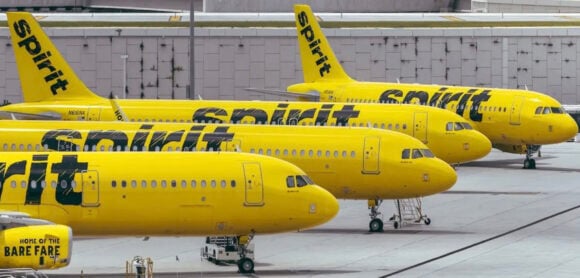
Photo: Spirit Airlines
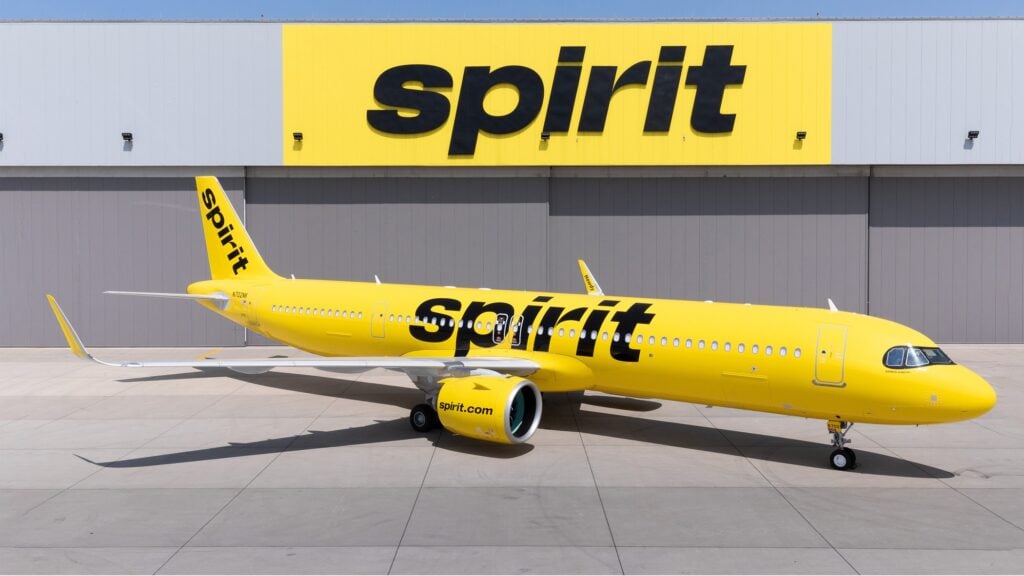
Spirit Airlines, already on shaky financial grounds, has become the first airline victim of the Netanyahu/Trump war with Iran. The dramatic increase in fuel costs after the war began became too much for Spirit to profitably operate given its existing revenue streams and bookings, and the carrier’s creditors decided to liquidate the airline after last minute negotiations for a government bailout failed. Spirit was in trouble before the Iran War, trying to emerge from a second bankruptcy within the last year. Without the impact of the war, which raised fuel prices significantly, the carrier had a chance to continue to operate, albeit it would likely have continued to struggle as a smaller operation. The high fuel prices that resulted from the closure of the Strait of Hormuz became the final nail in Spirit’s coffin.
Airlines take a long time to die, as we have seen multiple times since deregulation. From three different Braniff incarnations to long and troubled periods for Pan Am, TWA, Eastern and other carriers that failed. Spirit followed that pattern when the latest industry shock became too much to bear. But to some degree, this one seemed to come more quickly than the market anticipated.
The abrupt closure of the airline early Saturday morning left thousands of passengers stranded and 17,000 employees looking for new jobs after the unfortunate events. Fortunately, competing airlines are offering low fares to help Spirit passengers and employees return home while they await refunds and final paychecks. respectively. While Spirit Airlines was the butt of late-night comic jokes for its bare-bones fares and customer service, the carrier did serve the public by establishing low prices in leisure travel markets, forcing competitors to match. Although Spirit was in trouble before the Iran War, it was the increase in fuel prices that pushed it over the edge.
The Impact of Spirit’s Demise
Spirit Airlines, as one of the ultra low cost carriers in the US, was a price leader in multiple markets. By setting low fares that kept other airlines from raising prices, Spirit was a downward influence on airline pricing and yields. That pricing pressure will now disappear, enabling competitors to raise fares in many of the key leisure markets served by Spirit.
Low cost and Ultra low cost carriers have a more difficult time when the industry faces shocks. The large airlines are buoyed by premium traffic, that provides high yields and high margins that the low cost carriers don’t have. Attempts to introduce the equivalent of a first class (Big Seats in Spirit speak) were also heavily discounted compared to legacy competitors. An upturn in costs, when 90% of your next quarter is already booked at fares now too low to recover the additional cost, means an airline needs a lot of additional cash. Unfortunately Spirit didn’t have available cash, nor creditors willing to extend that further.
The Next Domino to Fall?
But neither do JetBlue or Frontier have much excess cash to cover losses, as they were Spirit’s competitors in the low fare market. Some analysts predict JetBlue and Frontier could be the next two carriers to fall, depending on how the Iran war evolves and how it impacts fuel prices and economic conditions.
JetBlue, which hasn’t shown a profit in quite some time, is struggling, and could be the next low fare carrier to fall. Its proposed acquisition of Spirit, which was rejected for antitrust reasons, couldn’t move forward. Frontier is also a potential future casualty as well, depending on how long the war runs and the impact on jet fuel availability and pricing through the remainder of this year.
Our view is that JetBlue may have a difficult time reaching 2027 intact if it continues to be unprofitable, and may need to merge. Frontier, which at one point was a potential dance partner for Spirit as well, would have been a better fit given their fleet and route structures, but was outbid by JetBlue for the aforementioned infeasible transaction.
The Impact on Passengers
Refunds from Spirit may or may not be possible, depending on your ticket. Some voucher and frequent flyer mile tickets will likely have no value, as customer have to pursue refunds via their credit card companies, given nobody left to speak with at Spirit. There is no help from Spirit in finding a different airline or seats for cancelled operations. It is quite likely that passengers can find availability on other airlines, but at higher prices than they paid Spirit, since there have been 5 industry price increases since the start of the war. Most competitors are extending their lowest fares to Spirit customers, in hopes of picking up some goodwill with potential new customers for their low fare services.
The Impact on Employees
Spirit employees are now unemployed, and receiving help from other airlines to accommodate stranded crew on a space available basis. Experienced pilots should be able to find jobs in the industry, given continued strong traffic, but with uncertainty comes caution in hiring. With Lufthansa group cutting 20,000 flights, not all carriers are confident about the future direction of the war and passenger demand, which outside the middle east remains up year-over-year. Flight attendants, mechanics, and customer support personnel will find easier or more difficult times depending on where they were based and whether other carriers will pick up the former Spirit routes and expand in stronger Spirit markets. But those routes will be cherry-picked, from most profitable to least profitable, and those who work in the least profitable markets may need to move to remain in the industry.
The Bottom Line
The airline industry is a difficult one, as it is both highly capital intensive and essentially, a commodity product in which the lowest price competitor gets the customer order the vast majority of the time. With massive costs, most carriers are debt laden, and find it difficult to overcome industry shocks impacting revenues and costs. While the industry tends to survive those challenges well and resume growth quickly, the financial impacts on balance sheets takes longer to repair. When airlines do well, they generate significant cash flow But when things go poorly, they can quickly bleed cash at often unsustainable levels.
This latest industry shock has been controversial, in that the war in Iran has such low support within the United States because the rationale for the war has not been well explained. Nonetheless, it is happening and had its first casualty, Spirit Airlines. The question now is will it also take down JetBlue and Frontier? Stay tuned.
Views: 162