saa.1 scaled
South African Airways CEO Professor John Lamola and three non-executive directors resigned on a Friday afternoon. If you know anything about corporate communications, you know what a Friday afternoon announcement means.
Here we go again. South African Airways (SAA) is back in the news for all the wrong reasons. The case for never allowing a state to own an airline is writ large.
Take AirInsight for a Test Flight
7 days full access — premium analysis and the complete data model library — for $1. No commitment.
Start My Test Flight →Let’s start here. The linked piece shows the steps to inevitable taxpayer-funded chaos. Again. Not that the Professor’s tenure will be seen as the best of times. But taxpayers have to start asking, no, demanding answers about the endless waste of money.
Here’s a second link that adds more insight to the Professor’s tenure. An analyst tears apart the airline’s financials. Yet, in a predictable outcome, “…yet Minister of Transport Barbara Creecy and the board as accounting officers rewarded executives with huge pay increases.”
While the airline’s financials were being torn apart by analysts, the Minister of Transport and the board rewarded executives with large pay increases. This is not mismanagement. It is a feature of state ownership, not a bug.
It is amazing, really. Air India used to be the poster child for why a state should not own and operate an airline. The ME3 works because their governments hired professional outside management for commercial acumen, not political loyalty. That distinction is everything.
The Fleet Reality
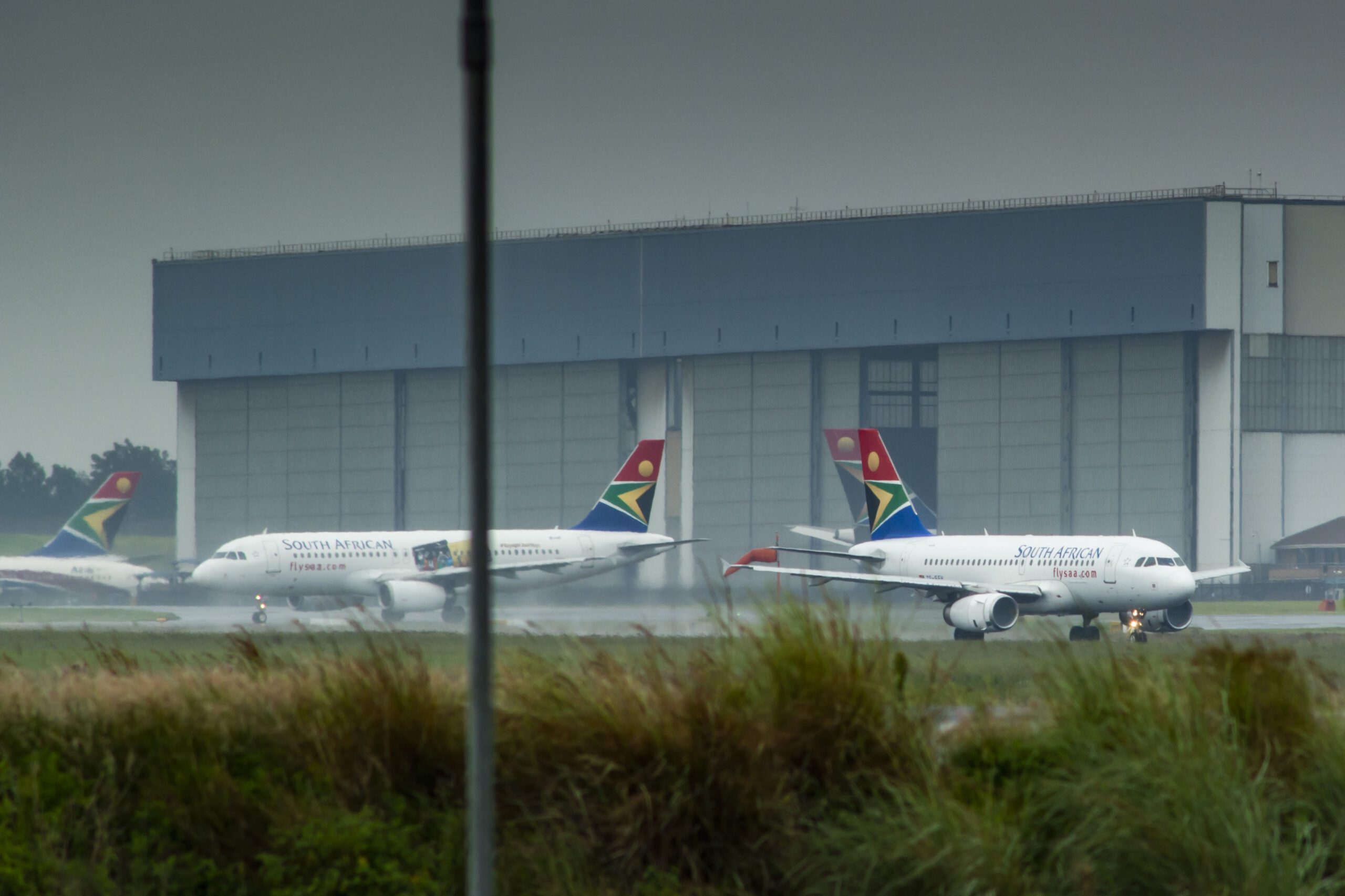
As of February 2026, SAA operated 19 aircraft flying to 17 destinations — 14 leased A320-200s, two leased A330-300s, and two owned A340-300s, plus wet-leased aircraft from Hi Fly Malta and SunExpress for peak capacity. An A340-300 in 2026 is a fuel-cost problem waiting to happen, especially with jet fuel prices spiking due to the Iran conflict.
The Fleet Growth Problem
An A320-200 and two A330-200s, originally scheduled for delivery in 2025, have slipped to 2026 because current operators have chosen to retain them longer. This is the tight widebody leasing market biting SAA directly — the supply constraint affecting second-tier lessees like SAA most acutely. SAA’s CCO noted that they need capacity to improve codeshares and connectivity as a hub-and-spoke carrier rebuilding around Johannesburg’s O.R. Tambo Airport.
Bottom Line
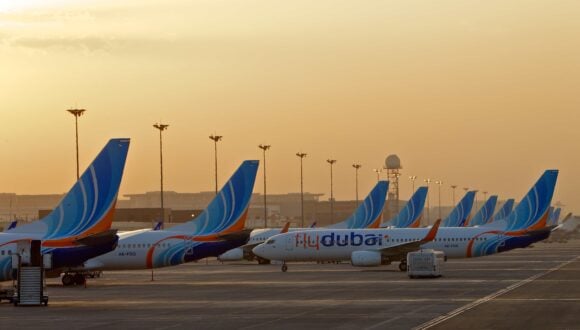
Located at the southern tip of Africa, the only places to go are north, west, or east. Pretty much all decent-sized markets are north of the equator in Europe, across the Atlantic in the Americas, or across the Indian Ocean to Asia. SAA cannot compete with the Gulf Super Connectors – especially since local competitor Airlink has Qatar as an investor.
South Africa does not need SAA. What it needs is foreign tourist arrivals, which a weak Rand makes attractive and which foreign airlines already serve effectively. Those tourists create jobs. SAA does not.
Views: 21
About The Author


Take AirInsight for a Test Flight
7 days full access — premium analysis and the complete data model library — for $1. No commitment.
Start My Test Flight →