

Lithuanian Avion Express has initiated a strategic redelivery of 15 aircraft in the European market, a move that signals a broader structural realignment within the ACMI (Aircraft, Crew, Maintenance, and Insurance) sector.
This decision comes as European carriers transition from a “growth at all costs” mindset to “Smart Growth,” prioritizing margin over volume in an environment defined by the total phase-out of free carbon allowances and surging fuel prices.
By April 2026, the cost of operating older-generation narrowbodies, such as the Airbus A320ceo, is estimated to have increased by a 25% in the European Union due to the ETS (Emissions Trading System) and the Fit for 55 regulatory framework. These pressures have made traditional sub-charter solutions less economically viable for European airlines, prompting the group to relocate its primary growth engine to South America.
While the European market faces a “cost pincer,” Avion Express Brasil is capitalizing on its established presence. Having secured its Air Operator Certificate (AOC) from the ANAC (National Civil Aviation Agency) in February 2025, the subsidiary has transitioned into a critical regional player.
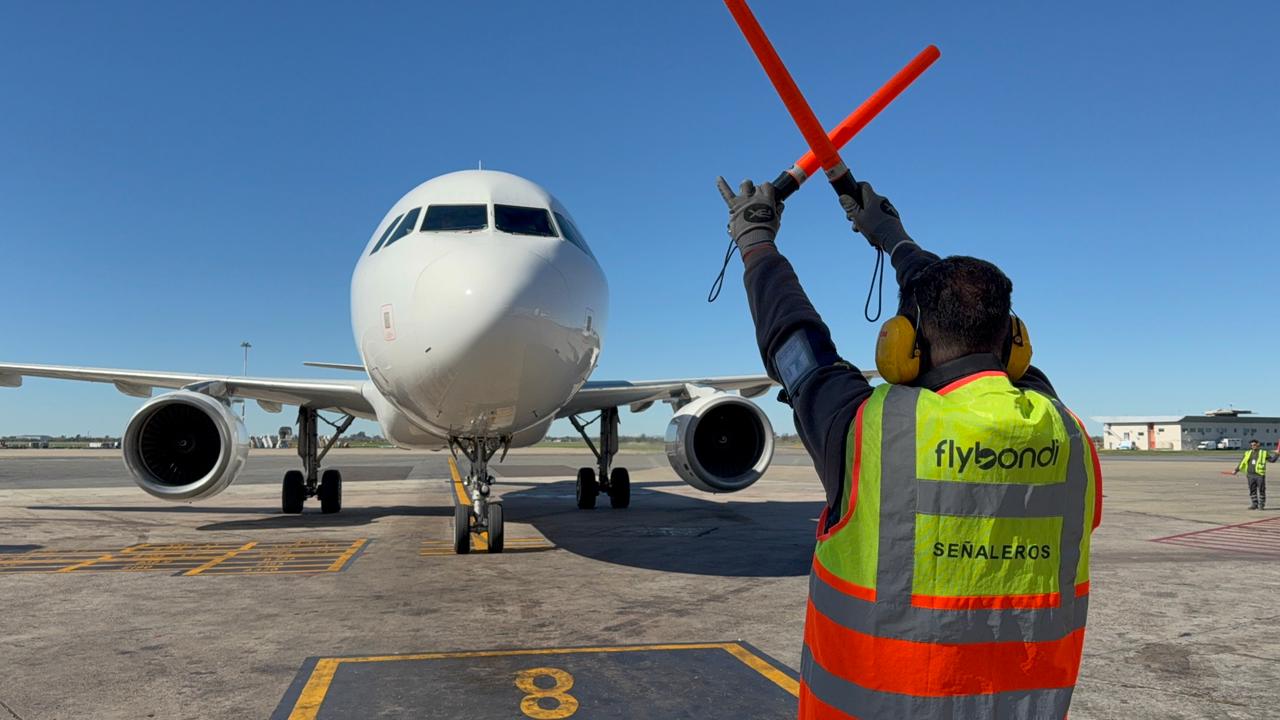
The Brazilian unit currently operates two Airbus A320s under the PR- registry, with a third expected by mid-2026. A key driver of this success is the long-term partnership with Flybondi in Argentina. This arrangement allows the group to utilize aircraft that would otherwise remain idle or unprofitable during the European winter, effectively creating a year-round revenue stream through geographic arbitrage.
Technical Efficiency and Maintenance Standards
The group’s fleet strategy remains centered on the Airbus A320-200 family. These aircraft are powered by CFM56-5B engines, which remain the industry benchmark for high-cycle reliability in the ACMI business. Despite the age of the CEO (Current Engine Option) fleet, the company maintains them under EASA Part 145 standards, ensuring technical readiness for rapid deployment across different jurisdictions.
The 15 aircraft being returned in Europe are part of a targeted effort to improve the group’s ASK (Available Seat Kilometer) margin. By reducing its footprint in a saturated, high-tax European market, the company can focus resources on its Viracopos (VCP) base in Brazil, where the lack of aggressive carbon pricing and the high demand for flexible capacity offer more attractive yields.
The European ACMI market is not shrinking in terms of passenger volume but is undergoing a “survival of the most efficient.” Darius Kajokas, CEO of Avion Express, noted that the priority is operational stability and delivering value to long-term partners rather than chasing seasonal peaks that are no longer profitable.
Avion Express aims to reach a fleet of 25 aircraft in Brazil by 2028. This strategy serves as a permanent hedge against the volatility of the European aviation sector, positioning the group as a bridge between the northern and southern hemisphere markets.
Views: 121