

The definitive shutdown of Spirit Airlines in early May has sent shockwaves through the regional commercial aviation sector. Driven by accumulated debt and the collapse of a federal bailout package, its sudden exit removed a critical volume of Available Seat Kilometers (ASK) from the Florida market.
This collapse left nearly 10,000 passengers stranded in Colombia alone. It triggered an immediate reallocation of capacity and routes toward Latin America, where regional carriers are racing to absorb the unserved demand.
Avianca reacted swiftly to capture this migrating passenger flow. Starting June 1, the airline will double its frequencies between Bogotá (BOG) and Fort Lauderdale (FLL), deploying its Airbus A320 fleet to target Visiting Friends and Relatives (VFR) traffic. Through this move, the carrier aims to mitigate the logistical vacuum left at the failed ultra-low-cost carrier’s primary international hub.
The network redesign also brought massive changes to Caribbean connectivity. Avianca boosted operations between Barranquilla (BAQ) and Miami (MIA), scaling up from three weekly frequencies to a regular daily service starting in early June.
This adjustment optimized Revenue per Available Seat Kilometer (RASK) across core Colombian corridors by capitalizing on the sudden availability of airport slots. In an even more aggressive offensive move to establish dominance, Avianca rushed the ticket launch for two unprecedented direct routes to Fort Lauderdale from both Barranquilla and Cali, scheduled to begin operating daily flights on July 15.
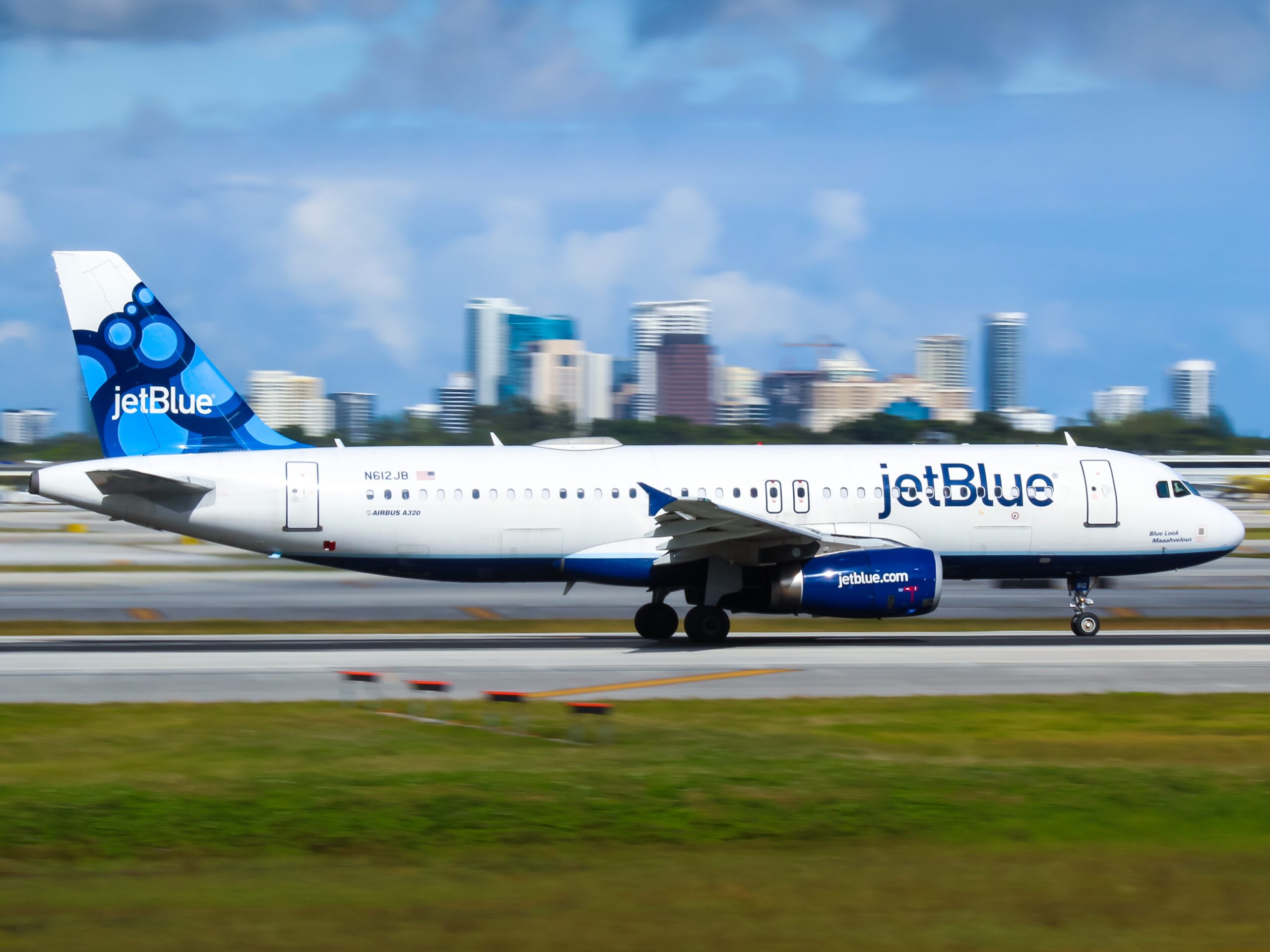
jetBlue’s counter attack
Meanwhile, jetBlue is structuring its own counteroffensive at Fort Lauderdale by adding 11 routes across the U.S., the Caribbean, and Latin America. This expansion strategy includes daily launches to Barranquilla and Cali planned for October 2026, setting up a direct commercial clash against Avianca’s new summer flights. Both operators are accelerating market share capture to shield their unit revenues ahead of impending tariff consolidation.
The response from the rest of the Latin American carriers demonstrated high asset management flexibility and close coordination with regional aviation authorities. LATAM Airlines immediately activated a robust protection plan that waived base fares between May 2 and May 16 for stranded passengers holding active Spirit tickets, facilitating their re-accommodation on available seats to key hubs such as Bogotá, Quito, Guayaquil, and Lima.
In contrast, Copa Airlines chose to maintain its regular connectivity baseline through the Hub of the Americas in Panama, implementing no immediate nominal capacity increases indexed to the event.
However, the heavy competitive pressure that jetBlue will inject during the final quarter of the year is expected to force a short-term tariff stabilization. This dynamic will offer financial relief to consumers following an initial average fare spike of $23 triggered by the exit of Spirit, which historically commanded a massive 28% passenger market share at Fort Lauderdale.
Views: 281