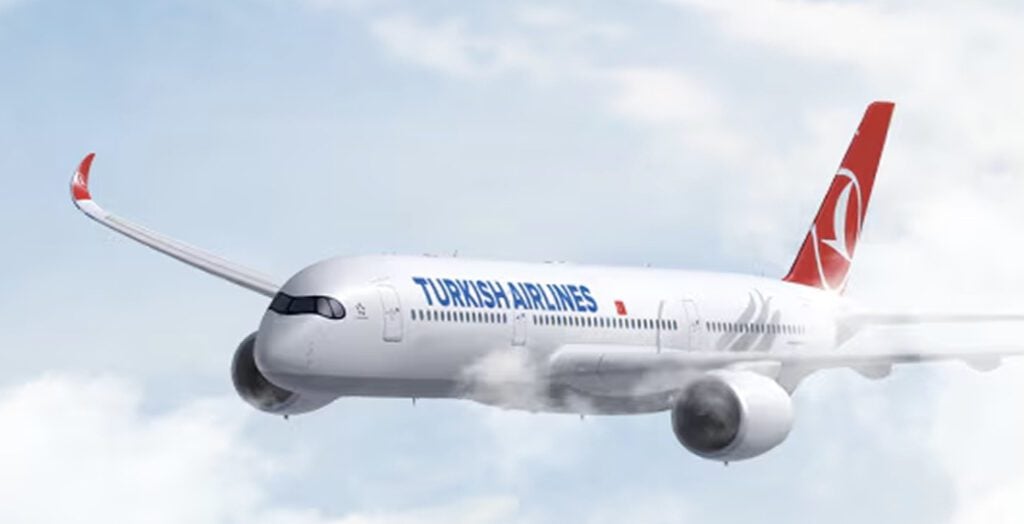
Southwest’s latest international partner is Turkish Airlines, joining Condor, Icelandair, China Airlines, EVA Air, and Philippine Airlines. The agreement with Turkish will begin next month, and enable seamless bookings and connections and itineraries that include both carrier flights from any of Turkish 14 US destinations. It is interesting that Turkish, a Star Alliance member that code shares with United, would also code-share with Southwest. But such is the world of international carrier tie-ups, apparently the more the merrier.
Turkish operates to Atlanta, Boston, Chicago, Dallas, Denver, Detroit, Houston, Los Angeles, Miami, Newark, New York, San Francisco, Seattle, and Washington DC. While Southwest utilizes different airports in Chicago, Dallas, and Washington DC as focus cities (Midway, Love Field and Baltimore), it could provide connecting flights in many of the other cities.
Competitive Incentive for Code Shares
One of the key reasons for Southwest’s international code-shares is the ability for its Rapid Rewards members to utilize points to travel internationally to new locations. The code-share with Turkish opens up a large number of European, Middle-Eastern, and Asian destinations from key cities across the country. While these alliances are not as comprehensive as the three global alliances, it is doubtful the US incumbents would allow Southwest to join Star, oneWorld or Sky Team. The result is that unfortunately, as with most of the Southwest code-shares, they will be building a global alliance airline by airline, rather than the easier alliance route.
Three Alliance Partners and Three Not
Three of Southwest’s six international partners are already global alliance members. Turkish is a Star Alliance carrier, as is EVA Airlines. China Airlines is a Sky Team Member. Condor, Icelandic, and Philippine Airlines are independent of global alliances.
With Southwest now offering assigned seating, having extra legroom seats, and changing to a more conventional rather than low-cost carrier level of service, international destinations are important to business fliers who want to capitalize on their points. The key for Southwest will be the ability to offer new Rapid Rewards destinations for their frequent travelers, and to generate incremental traffic whenever possible.
The Bottom Line
While Southwest can’t yet provide the options of the big three US carriers, and SkyTeam, Star Alliance or oneWorld membership, it can nip around the edges and offer some interesting destinations. Iceland, Turkey, Taiwan, the Philippines, and Germany offer unique vacation opportunities for frequent flyers, and we expect Southwest to continue to align with international carriers on an opportunistic basis.
Views: 223
About The Author


Take AirInsight for a Test Flight
7 days full access — premium analysis and the complete data model library — for $1. No commitment.
Start My Test Flight →