

After two years of strict oversight and production limits, the FAA lifted the 737 MAX production cap as of March 2026. This is the “green light” Boeing has been fighting for since the January 2024 Alaska Airlines incident.
Boeing’s CFO confirmed the company is now authorized to move toward a Rate 47 goal. The next target rate is 53.
The Pivot to Performance-Based Oversight
The most significant change is the FAA’s shift from a hard numerical “cap” (the 38-per-month limit set in 2024) to a performance-based oversight model.
- Safety Management System (SMS) Maturity: In early 2026, the FAA began delegating more “ticketing” (individual airworthiness certification) authority back to Boeing’s authorized representatives.
- Data Over Dictate: During the Bank of America Global Industrials Conference (March 17, 2026), Boeing leadership clarified that “numerical constraints” have been replaced by SMS requirements. As long as Boeing’s quality data—specifically metrics like “traveled work” and “quality escapes”—stays stable, the path is clear for expansion.
- The Authorization: Boeing confirmed it is now authorized to move beyond the previous 42-jet interim limit toward a Rate 47 goal.
The Road to 53
Boeing isn’t just looking to build more planes; they are looking to break records.
- Target 1 (Summer 2026): Hit 47 aircraft per month. To do this, Boeing activated a new fourth production line in Everett, WA, marking the first time the MAX has been built outside the traditional Renton FAL.
- Target 2 (Year-End 2026): Reach 53 aircraft per month. This is the “magic number” required to start making a dent in their massive backlog of 4,800+ orders.
What’s Different This Time?
The FAA didn’t lift the cap just because Boeing asked. Several structural changes made this possible:
- Spirit AeroSystems Integration: With the merger complete, Boeing now has “nose-to-tail” control over the fuselage quality, reducing the defects that plagued the supply chain in 2024 and 2025.
- The “Shadow Factory” closed: The backlog of parked aircraft at Moses Lake has finally been cleared, allowing 1,000+ specialized mechanics to return to the active FALs.
- Massive Hiring: Boeing is currently onboarding more than 100 factory workers each week to fuel this expansion.
It’s worth noting that the FAA’s approach shifted from a hard numerical “cap” (like the 38-per-month limit set in 2024) to a performance-based oversight model. In this new structure, the FAA hasn’t just “given a number” back to Boeing; instead, they approved Boeing’s Product Quality Management System improvements. This allows Boeing to transition from the 42-limit approved in late 2025 to the current ramp-up towards 47.
The Reality Check
While the legal cap is gone, logistical hurdles remain. Boeing produced 46 aircraft in March, of which 33 were MAXs—still shy of Renton’s full potential. The recent wiring check slowed down some 2Q deliveries. The industry is watching to see if Boeing can prioritize speed without sacrificing the stability it’s spent two years rebuilding.
The Bottom Line
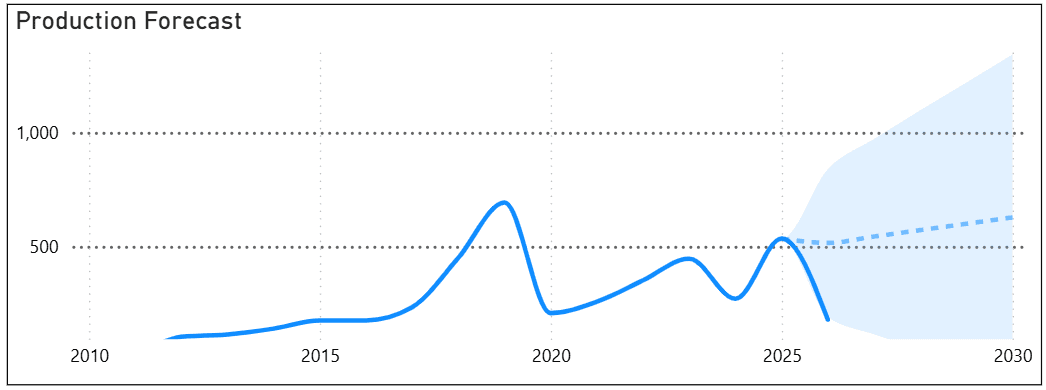
Boeing is no longer in “stabilization mode.” They are in “growth mode.” If they hit that 53-aircraft milestone by December, it will be among the most significant industrial turnarounds in modern aviation history.
Views: 1339