Airbus Next generation single aisle2cAirbus
The European Investment Bank (EIB) has granted Airbus a €1.0 billion loan to support R&D projects in commercial aviation, defence, and space. This is the first of three tranches to support the European aerospace manufacturer, totalling €3.0 billion through 2030.
The loans were confirmed during a signing ceremony at the EIB’s headquarters in Brussels on Monday, in the presence of Airbus Group CEO Guillaume Faury, CFO Thomas Töpfer, EIB President Nadia Calvino and three vice-presidents. The €3.0 billion loan is the largest corporate loan ever authorised by the EIB.
The EIB is the investment bank of the European Union. In a €100 billion program, the EIB agreed last year to support eight key priorities and 870 projects that support, among other things, the EU’s climate and environmental programs, digitalisation and technological innovation, and security and defence. The loans to Airbus are part of the TechEU program.
In a joint media release from EIB and Airbus, Töpfer highlighted the significance of the loan. “This facility reinforces the depth of our strategic partnership with the EIB, supporting the commercial and defence research that drives European industrial competitiveness. The highly competitive terms and extended flexibility grant us the maximum optionality to manage our balance sheet, minimise the cost of carry and sustain our long-term investments in aerospace innovation.”
R&D
Last year, Airbus spent €3.153 billion on R&D, slightly less than the year before. “Research and development expenses mainly reflect the development of the latest generation commercial aircraft programs and activities to prepare technologies of the future”, Airbus says in the FY25 financial statements. The EIB loan will support R&D programs in France, Germany, and Spain.
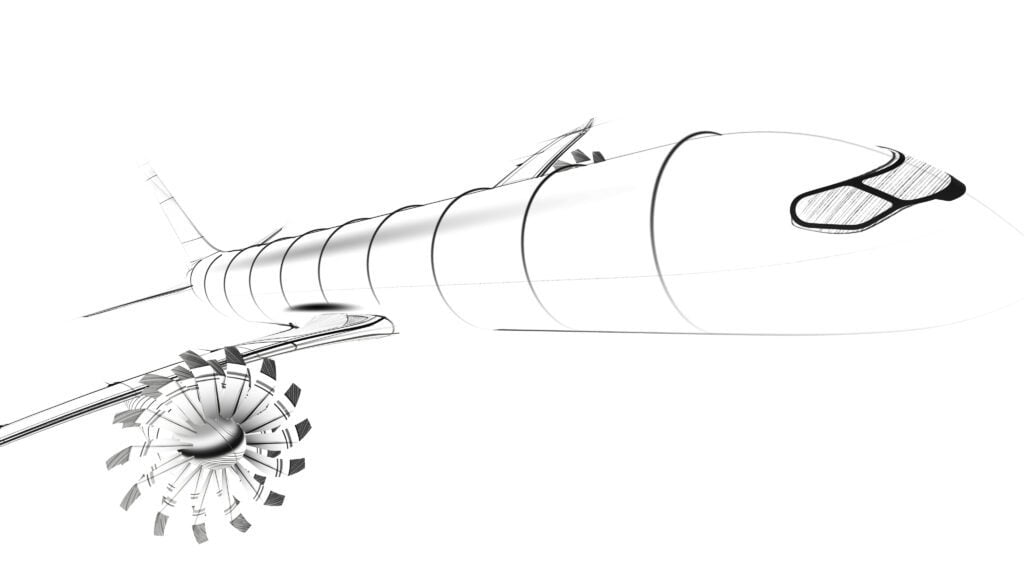
Airbus has quite a few commercial aircraft R&D projects on its plate. One is the Next-Generation Single-Aisle (NGSA). Faury told Aviation Week last week that he is determined to launch the successor to the A320neo family by 2030 for entry into service in the second half of the decade. NGSA will almost certainly have a new ultra-thin and efficient composite wing, for which R&D has been funded under the “Wing of Tomorrow” program by both EU and UK projects.
Hydrogen
While NGSA will be an evolutionary rather than a revolutionary aircraft, the European airframer continues to work on the ZEROe hydrogen-electric project that was announced in September 2020. As the hydrogen “ecosystem” is maturing much more slowly than anticipated, Airbus said early last year that a ZEROe airliner has been delayed until at least 2040 and more likely 2045.
Yet, Airbus is committed to developing its own hydrogen fuel cells and has integrated this technology into a compact design that will fit the first iteration of its hydrogen-electric airliner, which will be a 100-seater “turboprop”. Technology bricks for ZEROe also include the fuel tanks and a hydrogen APU.
In the short to medium term, Airbus will continue to invest in updates and upgrades of its existing commercial programs. This includes the stretched A220-500 and potentially the A350-2000, but Faury has said before that Airbus has to prioritise where to put money and manpower.
Views: 134