This is not a story on how Artificial Intelligence (AI) can change aircraft engine maintenance processes or make maintenance more efficient — rather, it is about how a new use for older aircraft engines may disrupt the engine MRO market.
New Use for Jet Engines is Growing Rapidly
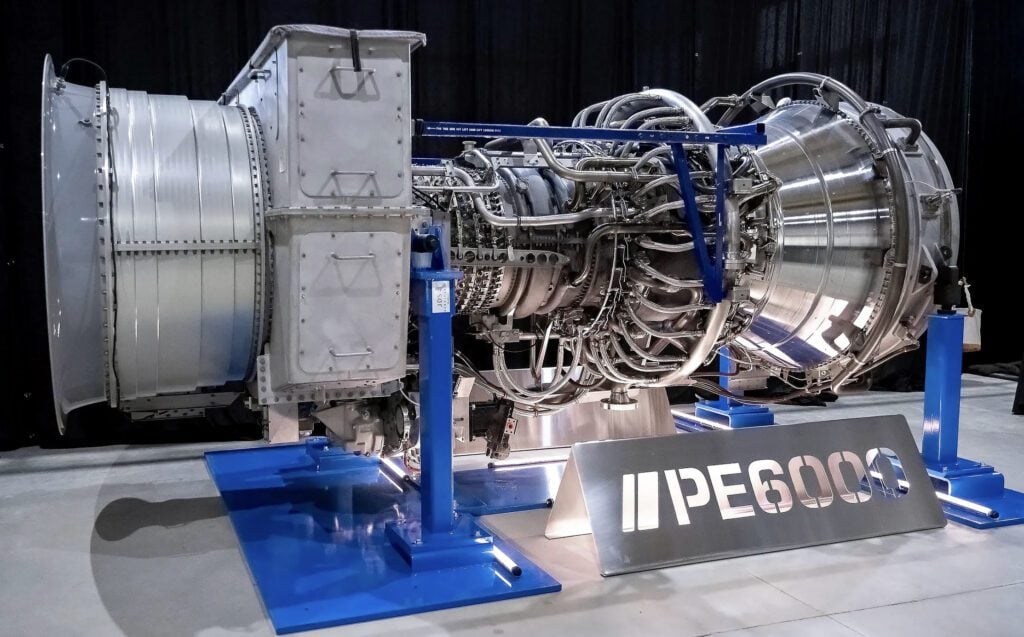
Aircraft jet engines are being repurposed to power Artificial Intelligence data centers, as demand for power outstrips utility companies’ ability to ramp capacity. The need for additional electricity is growing, as data centers require megawatts of power to run the computers needed for Artificial Intelligence processing.
Even the new entrant Boom Supersonic, which is developing a supersonic passenger aircraft and a new engine to meet its aircraft’s unique needs, is considering engines for Artificial Intelligence data centers as an alternative to fund the development of its new aircraft.
Take AirInsight for a Test Flight
7 days full access — premium analysis and the complete data model library — for $1. No commitment.
Start My Test Flight →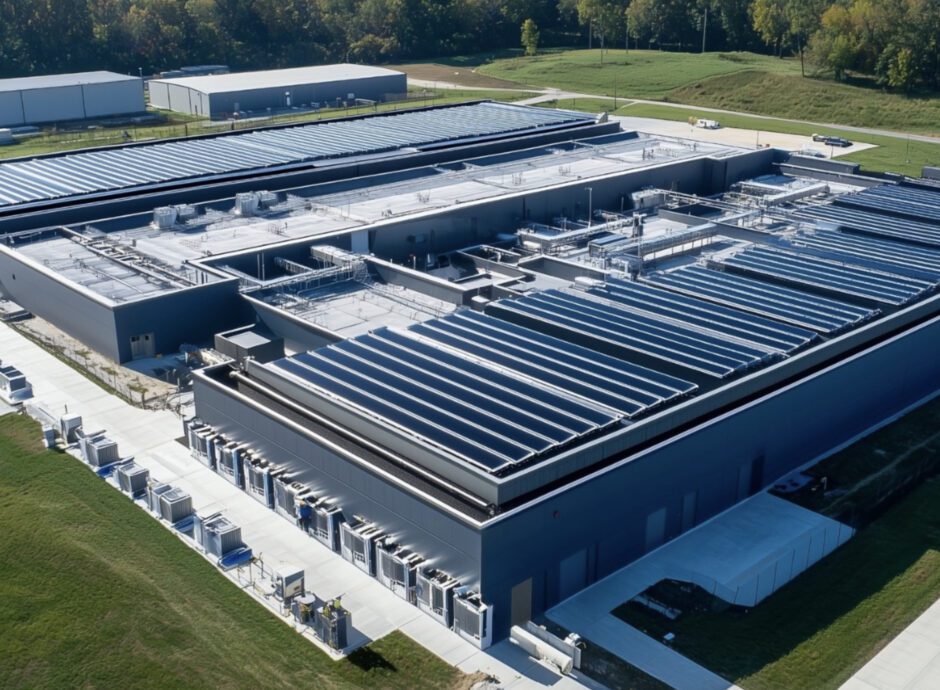
There is Currently a Major Shortfall
For the aviation industry, this is a double-edged sword. There is currently a shortfall in aircraft engines, particularly new engines, following major maintenance issues with the Pratt & Whitney GTF engine and less severe but still significant issues with the CFM LEAP. As a result, spare engines and repair parts are in short supply, exacerbating the shortage.
The shortfall in new aircraft and engines has led to longer in-service lives for the prior generation, with airlines having to decide how much to spend to maintain older aircraft and engines, and how long to keep them in service after a major overhaul.
Because parts and engine spares are in such short supply, the economics have changed, with engines increasing in value because of production shortfalls. Those changes are large enough that industry players are “parting out” relatively young new aircraft because they are worth more from parts than as a whole.
IATA has warned that aircraft demand is set to outpace production capacity, even without any added demand from AI. What would demand for another 200-300 aircraft engines for data centers do to pricing and aircraft values?
The answer is simple: it would increase engine prices and further dislocate an already disrupted MRO market, which is not expected to return to a normal supply-demand balance before 2030.
The Bottom Line
Artificial Intelligence is growing fast, with large data centers requiring tremendous levels of power for computing and water for cooling. With utilities unable to meet those requirements in the near term, using generating capacity from aircraft engines is among the quickest feasible solutions. Unfortunately, this could disrupt the aircraft engine MRO market, which is already out of balance in the post-pandemic environment.
It is difficult to find parts to repair aircraft engines today, and OEMs are producing new engines as quickly as they can while repairing those that have failed. Unfortunately, airlines can find themselves with aircraft on the ground due to durability problems with the new engines, and be forced to overhaul older aircraft to maintain lift.
The supply-demand problems for aircraft engines are about to get much worse as AI data center expansion continues in 2026.
Views: 207